Physiotherapy
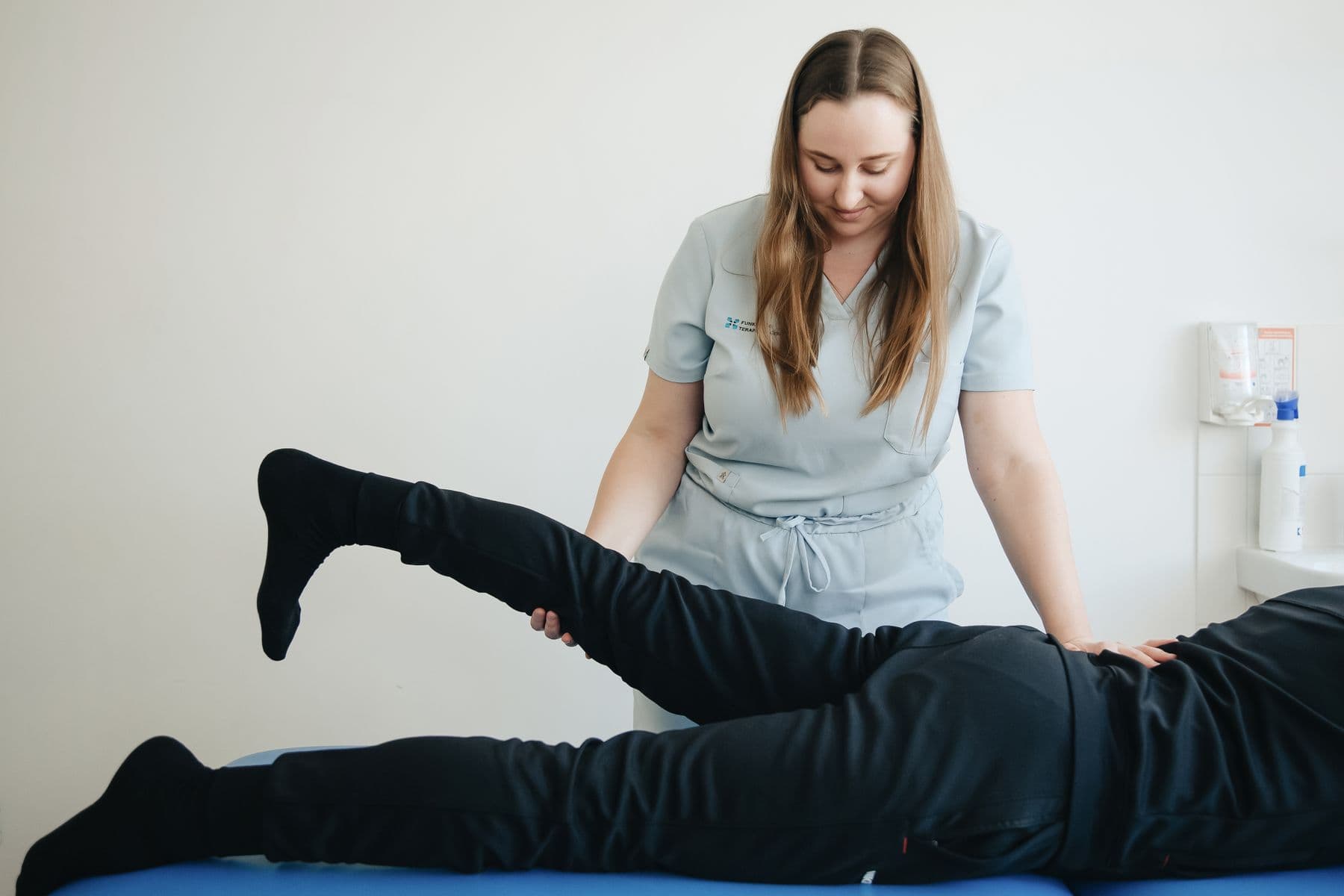
Physiotherapy supports patients recovering from pain, stiffness, weakness, injury, surgery, posture issues, and mobility limitations. It is useful for neck pain, back pain, knee pain, shoulder restriction, sports strain, work-related posture problems, balance concerns, and recovery after orthopedic or medical treatment.
The physiotherapy approach focuses on how the body moves in real life, not only on temporary symptom relief. Patients may receive assessment of strength, flexibility, pain triggers, posture, walking pattern, and daily movement habits. Based on this, the care plan can include guided exercise, strengthening, stretching, mobility training, pain management advice, and progressive recovery goals.
At Dr Gopi's Specialty Clinics, physiotherapy is connected to the wider clinical picture, especially for orthopedic and joint-related concerns. This helps patients understand why a movement problem exists, what exercises matter most, how to avoid aggravation, and how to rebuild confidence in daily activities over time.
A physiotherapy plan is most useful when it is progressive and realistic. The first goal may be reducing pain and improving comfortable movement, followed by strength, flexibility, posture correction, balance, endurance, and return to work or activity. Patients are guided on which movements to practice, which movements to temporarily avoid, and how to progress without worsening symptoms. This makes recovery feel structured instead of random.
The clinic also emphasizes education because patients often need to understand why pain keeps returning. Sitting habits, sleep posture, lifting style, exercise mistakes, muscle weakness, poor mobility, and incomplete recovery after injury can all contribute. With the right guidance, physiotherapy can help reduce dependency on temporary relief methods and support better long-term movement habits.